
Power pressure cookers, like the Instant Pot, are versatile multi-cookers excelling at braising; automation simplifies cooking, eliminating timing concerns for busy individuals.
What is a Power Pressure Cooker?
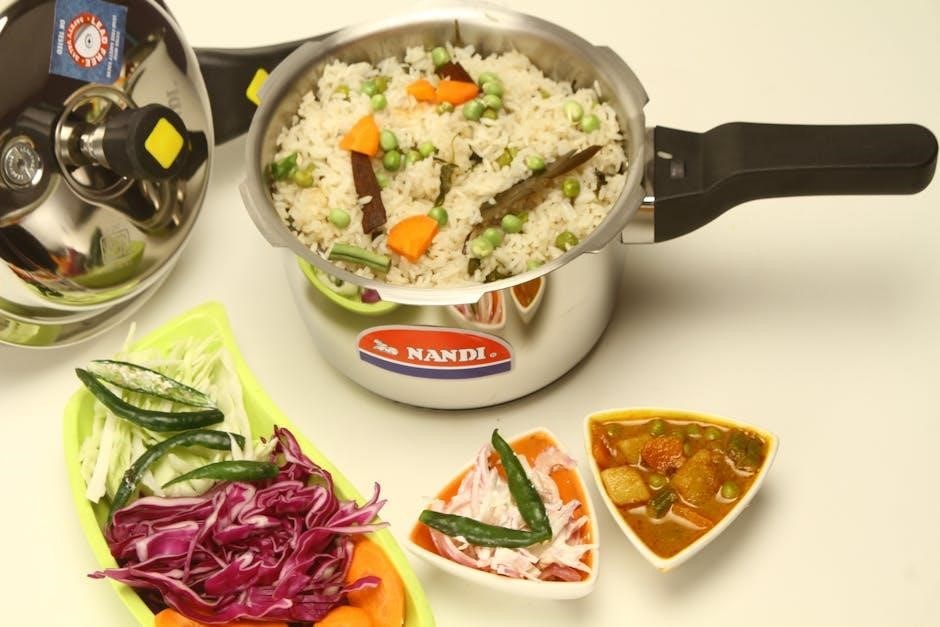
A power pressure cooker is an electric countertop appliance combining several cooking methods into one convenient device. More accurately termed a “multi-cooker,” it functions as a pressure cooker, slow cooker, rice cooker, steamer, sauté pan, yogurt maker, and warmer. Unlike traditional stovetop pressure cookers, electric models automate the process, managing time and pressure without constant monitoring.
Popular brands like Instant Pot have popularized this technology, offering numerous models with varying features. While pre-programmed buttons exist, controlling time and power manually provides flexibility. These cookers are designed for moist cooking methods, excelling at braising, and are not ideal for dry-heat cooking techniques. They simplify meal preparation, especially for those with limited time.
Benefits of Using a Power Pressure Cooker
Power pressure cookers offer significant advantages in the kitchen, primarily speed and convenience. They drastically reduce cooking times for traditionally lengthy recipes like braised meats and stews. Automation eliminates the need for constant monitoring, freeing up your time for other tasks. The multi-functionality of these appliances reduces clutter, replacing several single-purpose devices.
Furthermore, pressure cooking retains more nutrients compared to some other methods. Electric models offer consistent results and enhanced safety features. While numerous pre-programmed settings are available, manual control allows for customization. Ultimately, a power pressure cooker simplifies meal preparation and delivers delicious results efficiently.

Understanding Your Power Pressure Cooker
Familiarize yourself with the Instant Pot’s components – pot, lid, sealing ring, and steam release valve – to safely and effectively utilize its diverse functions.
Key Components and Their Functions
The inner pot, typically stainless steel, holds the food during cooking and directly contacts the heat source. The lid is crucial for creating a sealed environment, building pressure, and ensuring safe operation; ensure proper alignment for a secure lock. The sealing ring, usually silicone, creates an airtight seal between the lid and the pot, vital for pressure build-up.
The steam release valve controls pressure release – Natural Pressure Release (NPR) allows slow, gradual release, while Quick Release (QR) rapidly vents steam. Control panel buttons manage cooking modes, time, and pressure levels. Understanding each component’s role is essential for optimal performance and safety. Newer models, like the CHEF iQ, may have additional smart features, but core components remain consistent.
Safety Features Explained
Power pressure cookers incorporate multiple safety mechanisms. Lid lock prevents opening during pressure, safeguarding against hot steam release. Pressure release valve regulates internal pressure, preventing over-pressurization. Excess pressure protection vents steam if the valve malfunctions.
Burn detection monitors temperature, preventing scorching and triggering a “Burn” message. Always ensure the sealing ring is properly installed and clean for an airtight seal. Never force the lid open; allow pressure to release fully. Familiarize yourself with these features before first use to ensure safe and confident operation, even with advanced models like the Instant Pot Pro.
Getting Started: First-Time Use
Initial setup involves familiarizing yourself with components; a water test is crucial to verify proper sealing and function before cooking any food.
Initial Setup and Testing
Before your first culinary adventure, thoroughly inspect all components of your power pressure cooker. Ensure the sealing ring is correctly positioned within the lid – a proper seal is paramount for safe and effective operation. Familiarize yourself with the lid locking mechanism; understanding how it functions is vital.
Carefully read the manufacturer’s instructions regarding steam release methods, noting the difference between natural and quick release. Understand the control panel and its various settings, even if you plan to primarily use manual controls. This initial familiarization will build confidence and prevent errors during cooking. Don’t skip this step; it’s an investment in successful meals!
Water Test: A Crucial First Step
Performing a water test is non-negotiable before cooking food in your new power pressure cooker. Add the recommended amount of water – typically 3 cups – to the inner pot. Secure the lid, ensuring it’s properly sealed and locked. Select a pressure cooking setting (low or high) for a short duration, like 5 minutes.
This test verifies the cooker builds pressure correctly and the sealing ring functions as intended. Observe for any leaks during the process. After the cycle completes, allow for natural pressure release. A successful test confirms safe operation; if issues arise, consult the troubleshooting section before proceeding.

Cooking Modes and Functions
Power pressure cookers offer diverse modes – pressure cooking, slow cooking, sautéing, and yogurt making – providing flexibility for various recipes and culinary techniques.

Pressure Cooking Mode: Detailed Guide
Pressure cooking is the core function, significantly reducing cooking times compared to traditional methods. Select the appropriate pressure level – high for faster cooking, low for delicate foods. Time settings are crucial; adjust based on the recipe and quantity of ingredients.
Remember that pressure cookers utilize both time and power, controllable via manual buttons, negating the need for numerous pre-programmed settings. Understanding natural pressure release (NPR) versus quick release (QR) is vital. NPR allows for gradual pressure dissipation, ideal for soups and stews, while QR rapidly releases pressure, suitable for vegetables.
Always ensure sufficient liquid is present to generate steam, essential for pressure build-up. The “Burn” message indicates insufficient liquid or food stuck to the bottom; deglaze the pot to prevent this. Mastering pressure cooking unlocks efficient and flavorful meal preparation.
Slow Cooking Mode: Low and High Settings
Slow cooking offers a convenient, set-it-and-forget-it approach to meal preparation, mimicking traditional slow cookers. Power pressure cookers typically feature both “Low” and “High” settings, impacting cooking speed and intensity. The “Low” setting is best for all-day cooking, tenderizing tougher cuts of meat, while “High” provides faster results, suitable for shorter cooking times.
Consider that slow cooking within a pressure cooker may require adjusted liquid levels compared to dedicated slow cookers. The sealed environment retains moisture efficiently. Remember, these units excel at braising, making slow cooking a natural extension of their capabilities.
Experiment with recipes to determine optimal settings for your preferred dishes, and always monitor for sufficient liquid to prevent burning.
Sauté/Browning Function: Building Flavor
The sauté function allows for browning meats and vegetables directly within the cooker, eliminating the need for separate pans and enhancing flavor development. This is a crucial step for many recipes, creating a rich base before pressure cooking or slow cooking. Utilize this feature to sear meats, caramelize onions, or bloom spices, adding depth to your dishes.
Be mindful of the cooker’s temperature; it may heat more quickly than a traditional stovetop. Deglaze the pot after sautéing, scraping up any browned bits from the bottom to prevent the “Burn” message during pressure cooking.
This function is essential for building complex flavors in one pot.
Yogurt Making: Utilizing the Yogurt Button
The yogurt button significantly simplifies homemade yogurt creation, offering a convenient alternative to traditional methods. This function maintains a consistent, low temperature ideal for bacterial fermentation. Simply add milk and a yogurt starter, select the yogurt setting, and allow the cooker to work its magic.
Incubation times vary depending on desired tartness; typically ranging from 8 to 12 hours. Once complete, refrigerate the yogurt to halt fermentation and achieve a thicker consistency. This feature is a standout benefit, making fresh, probiotic-rich yogurt accessible to everyone.
Experiment with different milk types for varied results!
Operation and Controls
Adjust pressure levels and customize cooking times using the power and time buttons; understand natural versus quick release for optimal results and safety.
Pressure Levels and Adjustment
Power pressure cookers typically offer adjustable pressure settings, impacting cooking speed and intensity. Lower pressure is ideal for delicate foods like vegetables and fish, preserving texture and preventing mushiness. Higher pressure accelerates cooking for tougher cuts of meat, beans, and grains, significantly reducing cooking times.
Understanding these levels is crucial for achieving desired results. Most models feature “High” and “Low” pressure options. Adjusting pressure isn’t always about simply selecting a setting; factors like altitude also play a role, potentially requiring adjustments to cooking times. Refer to your cooker’s manual for altitude-specific guidance to ensure food is cooked thoroughly and safely. Precise control over pressure allows for versatile cooking, adapting to a wide range of recipes and ingredients.
Time Settings and Customization
Power pressure cookers offer extensive time setting capabilities, allowing for precise control over cooking duration. While pre-programmed buttons exist, mastering manual time adjustments unlocks true culinary flexibility. You can easily customize cooking times based on recipe requirements, ingredient quantities, and desired tenderness.
Remember that pressure build-up and release times aren’t included in the set cooking time; factor these into your overall planning. Don’t rely solely on pre-sets – understanding how time impacts different foods is key. Experimenting with slight adjustments can perfect your favorite dishes. The ability to fine-tune cooking times ensures consistently delicious results, tailored to your preferences.
Natural Pressure Release vs. Quick Release
Understanding pressure release methods is crucial for safe and effective power pressure cooking. Natural Pressure Release (NPR) allows the pressure to dissipate gradually, ideal for soups, stews, and foods with high liquid content, preventing splattering. This method takes longer, but yields more tender results.
Quick Release (QR) involves manually releasing pressure, suitable for vegetables or when further cooking isn’t desired. Be cautious, as steam will forcefully escape. After a Natural Pressure Release, remember to disable the ‘Keep Warm’ function promptly. Choosing the correct method impacts texture and prevents overcooking.

Recipes and Cooking Times
Cooking times vary based on ingredients; meats require longer durations, while vegetables cook faster, ensuring optimal texture and flavor with precise power pressure cooker settings.
Common Cooking Times for Meats
Achieving tender, flavorful meats within a power pressure cooker relies on understanding appropriate cooking times. For larger cuts of beef, like a roast, approximately 60-90 minutes under high pressure is generally recommended, followed by a natural pressure release. Chicken, being more delicate, typically requires 10-15 minutes for breasts and 20-25 minutes for a whole chicken.
Pork shoulder or butt benefits from a longer cook time, around 60-75 minutes, resulting in fall-off-the-bone tenderness. Remember these are estimates; meat thickness and desired tenderness will influence final cooking duration. Always ensure meat reaches a safe internal temperature, verified with a meat thermometer, for food safety. Adjust times based on your specific power pressure cooker model and recipe.
Vegetable Cooking Times and Techniques
Pressure cooking vegetables demands shorter times compared to traditional methods, preserving nutrients and vibrant color. Root vegetables like potatoes and carrots typically require 3-5 minutes under high pressure, while softer vegetables such as broccoli and peas need only 1-2 minutes.
For best results, add vegetables on a trivet above the liquid to prevent overcooking. Consider a quick release method for delicate vegetables to halt the cooking process immediately. Larger, denser vegetables may benefit from a natural pressure release. Experiment with different times to achieve your preferred texture, remembering that pressure cooking intensifies flavors.

Cleaning and Maintenance
Regular cleaning is vital for longevity; proper procedures ensure safe operation and prevent flavor transfer between dishes. Thoroughly wash all removable parts after each use.
Proper Cleaning Procedures
After each use, disconnect your power pressure cooker and allow it to cool completely before cleaning. The inner pot is typically dishwasher safe, but hand washing with warm, soapy water is also effective. The lid requires careful attention; remove the sealing ring and clean it separately to prevent odor absorption.
Wash the lid with warm, soapy water, ensuring all crevices are thoroughly cleaned. The steam release valve and anti-block shield should also be detached and washed. Wipe down the exterior of the cooker with a damp cloth. Avoid abrasive cleaners, as they can damage the finish.
For stubborn food residue, soak the inner pot in warm, soapy water before cleaning. Regularly inspect the sealing ring for cracks or damage and replace it as needed to maintain a proper seal.
Long-Term Storage and Care
For extended periods of disuse, ensure your power pressure cooker is completely dry before storing. Remove and wash the sealing ring and store it separately in a sealed container to prevent odor retention and maintain its elasticity. Avoid storing the lid locked onto the base, as this can compress the sealing ring.
Store the cooker in a cool, dry place, away from direct sunlight and extreme temperatures. Periodically check the sealing ring for signs of deterioration and replace it if necessary.
Avoid stacking heavy items on top of the cooker during storage, as this could potentially damage the components. Proper storage will prolong the life and functionality of your appliance.

Troubleshooting Common Issues
Addressing issues like the “Burn” message requires avoiding overly thick sauces or insufficient liquids; lid sealing problems often stem from improper ring placement.
“Burn” Message and How to Avoid It
The dreaded “Burn” message on your power pressure cooker indicates food is sticking to the bottom and scorching, halting the cooking process. This commonly occurs with thicker sauces, tomato-based recipes, or insufficient liquid. To prevent this, always ensure adequate liquid – at least one cup – is present at the start of pressure cooking.
Deglaze the pot after sautéing to remove browned bits before sealing. Stir frequently during the initial stages, especially with starchy ingredients. If using a sauce, thin it with extra liquid. Avoid layering ingredients excessively; ensure the bottom of the pot is covered with liquid before adding solids. Remember, a little extra liquid is preferable to a burnt meal!
Lid Sealing Problems and Solutions
A proper seal is crucial for pressure cooking. If the lid doesn’t seal, pressure won’t build, and cooking won’t commence. First, ensure the sealing ring is correctly positioned within the lid – it should sit flush without twists. Inspect the ring for cracks or damage; replace if necessary. Verify there’s no food debris obstructing the sealing surface on both the lid and the pot.

Ensure the steam release valve is in the sealing position. Sometimes, a slight adjustment of the lid’s position can help establish a seal. If issues persist, try a different outlet for power, as voltage fluctuations can sometimes interfere. A properly seated lid will click into place and prevent steam from escaping.